
Archive: 2026/01
Drug Withdrawals and Recalls: Why Medications Get Removed from the Market
Medications are pulled from the market when new evidence shows they're unsafe or ineffective. Learn how the FDA decides to withdraw drugs, why it takes so long, and what patients can do to stay protected.
Jan, 29 2026
Therapeutic Equivalence: What It Really Means for Patient Safety
Therapeutic equivalence ensures generic drugs work just like brand-name ones, protecting patient safety while lowering costs. Learn how the FDA verifies this, what the Orange Book means, and why it matters for your health.
Jan, 28 2026
Spanish-Language Resources for Understanding Generic Medications
Spanish-language resources help patients understand that generic medications are just as effective as brand-name drugs. Learn where to find trusted guides, how to explain appearance differences, and why regional terminology matters for safe use.
Jan, 27 2026
Azathioprine and TPMT Testing: How Genetic Screening Prevents Life-Threatening Side Effects
Azathioprine is an effective but risky immunosuppressant. TPMT and NUDT15 genetic testing can prevent life-threatening blood cell crashes before they happen-especially for those with inherited enzyme deficiencies.
Jan, 26 2026
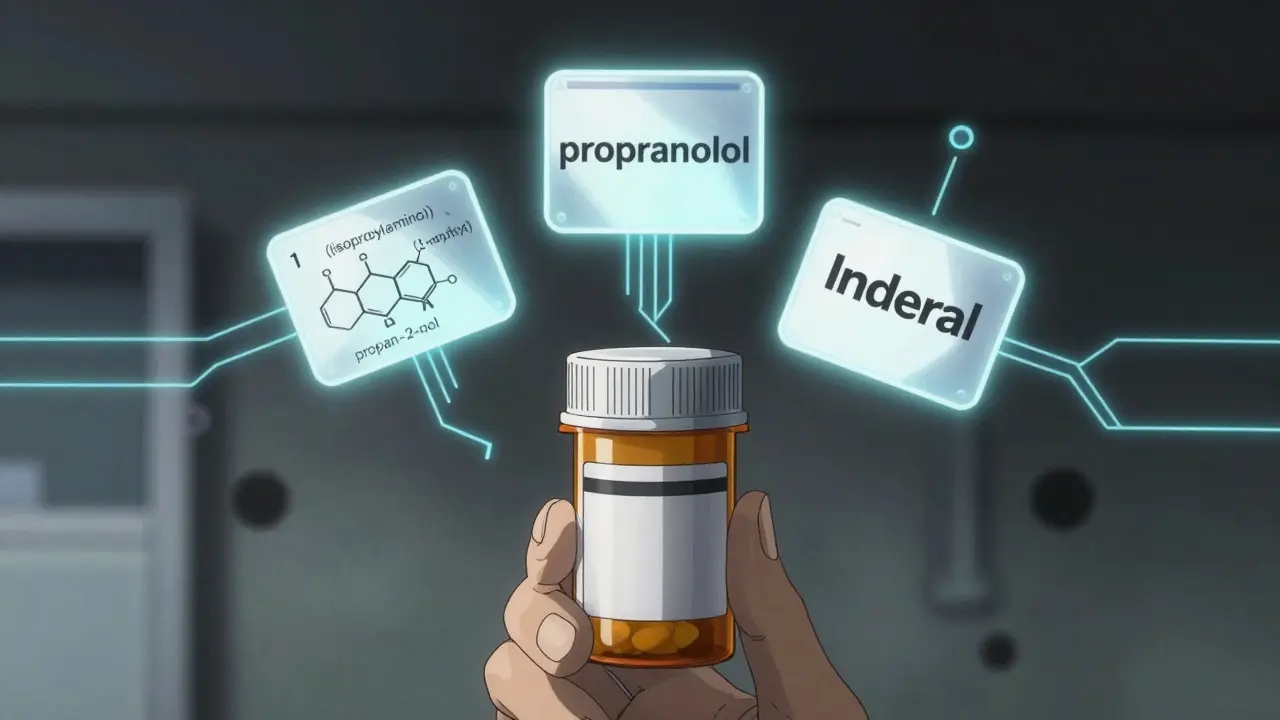
Drug Nomenclature: Chemical, Generic, and Brand Names Explained
Learn how drugs get their chemical, generic, and brand names - and why this system prevents dangerous medication errors. Understand the science behind the names on your prescriptions.
Jan, 26 2026
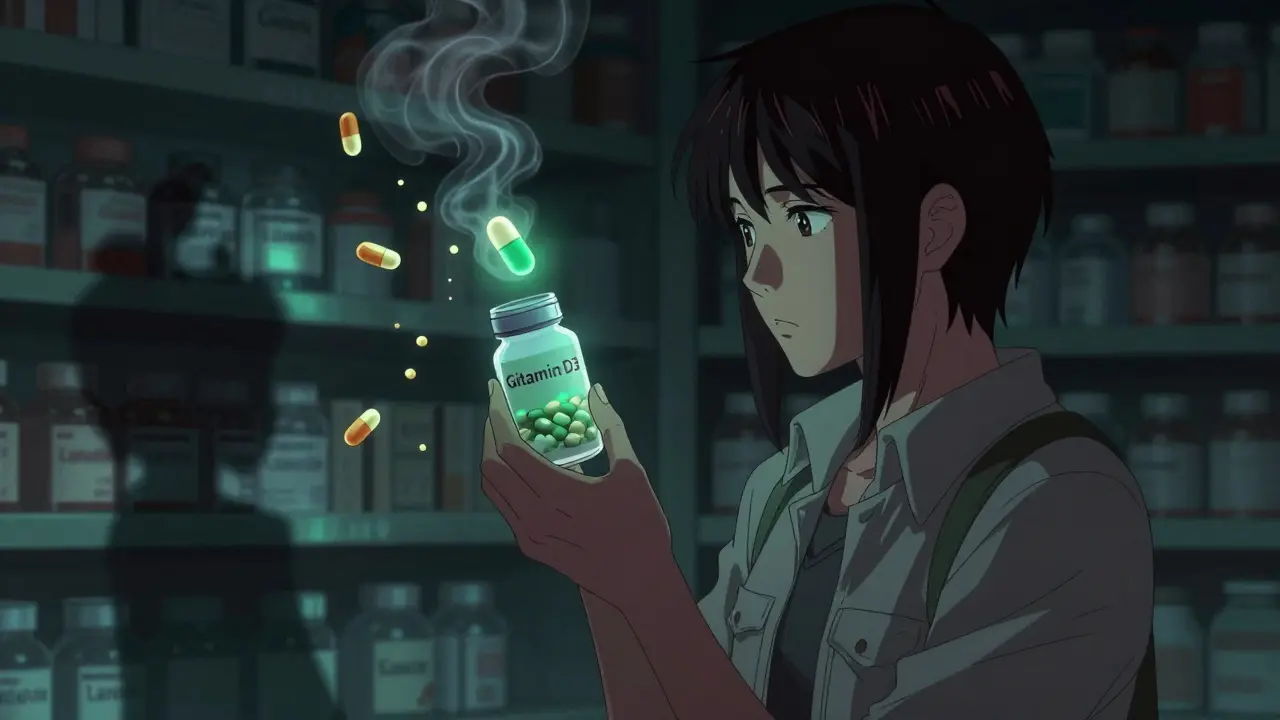
Medication Considerations for Vegans and Vegetarians: Hidden Animal Ingredients You Need to Know
Many medications contain hidden animal ingredients like gelatin, lanolin, and magnesium stearate. Vegans and vegetarians need to know which drugs to avoid-and how to find safe alternatives.
Jan, 24 2026
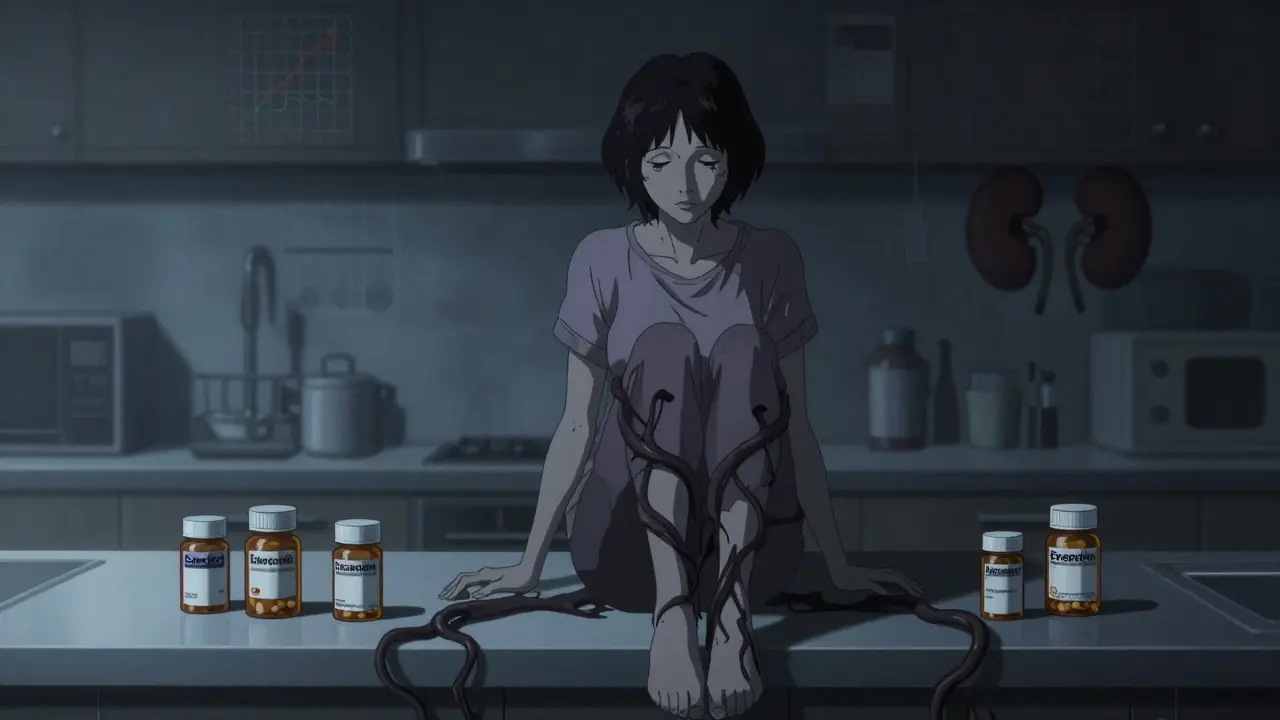
Analgesic Nephropathy: How NSAIDs Damage Kidneys and What Safer Pain Relief Looks Like
Analgesic nephropathy is a preventable kidney disease caused by long-term use of NSAIDs and acetaminophen. Learn how these common painkillers damage kidneys, who's at risk, and what safer pain relief options actually work.
Jan, 23 2026
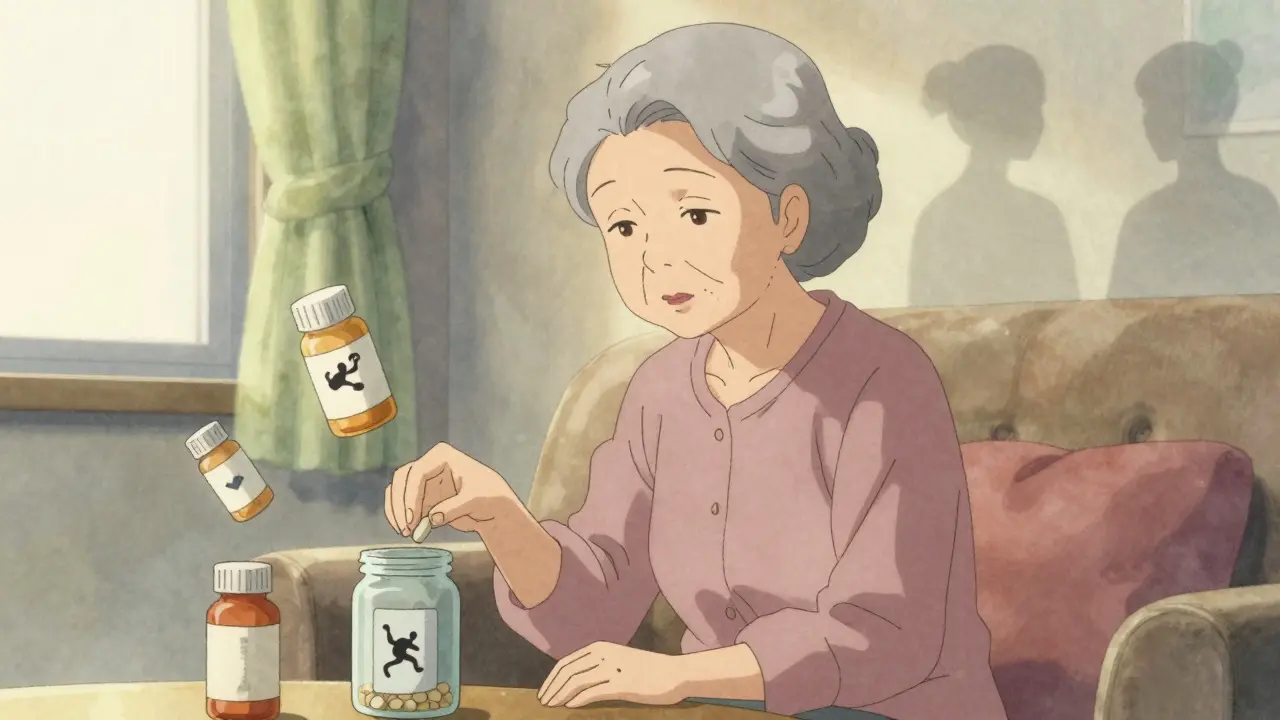
Deprescribing Research: What Happens When You Reduce Medications in Older Adults
Deprescribing research shows that carefully reducing unnecessary medications in older adults improves safety, reduces side effects, and boosts quality of life. Learn how it works, who benefits most, and what the latest studies reveal.
Jan, 22 2026
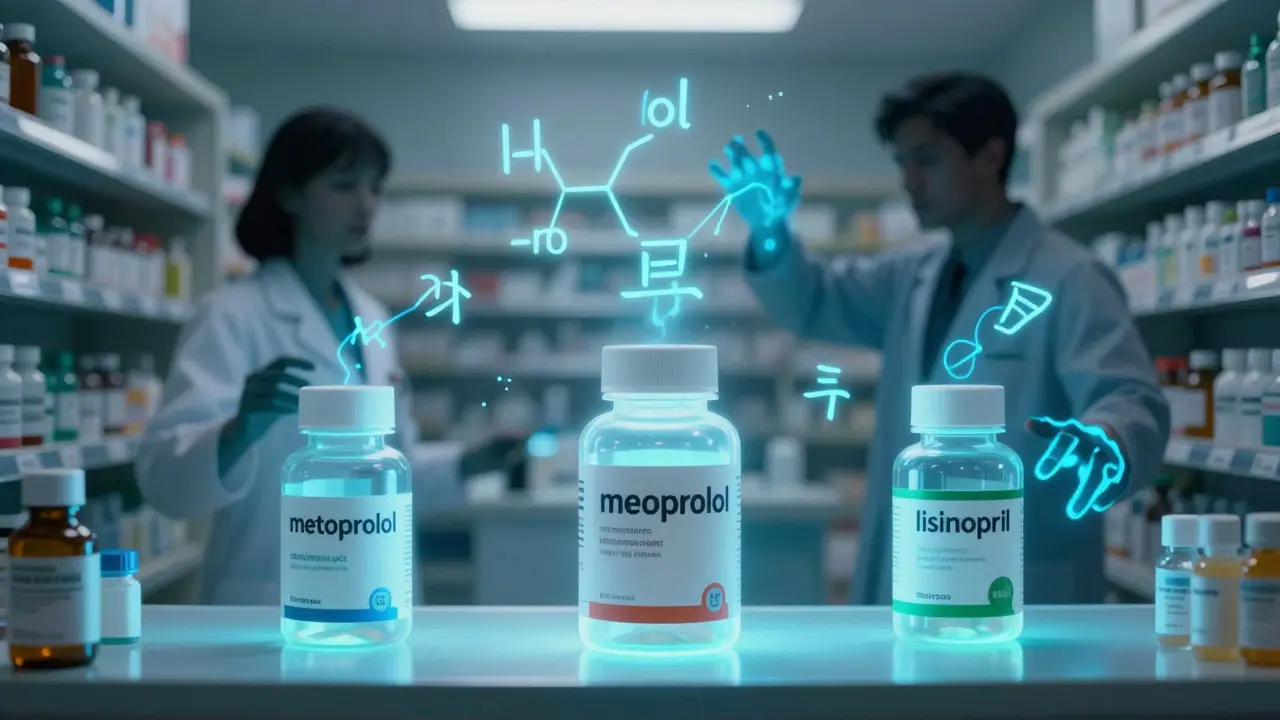
Generic Drug Classifications: Types and Categories Explained
Understand how generic drugs are classified by therapeutic use, mechanism, legal status, cost tiers, and naming conventions. Learn why these systems matter for your health, safety, and out-of-pocket costs.
Jan, 21 2026
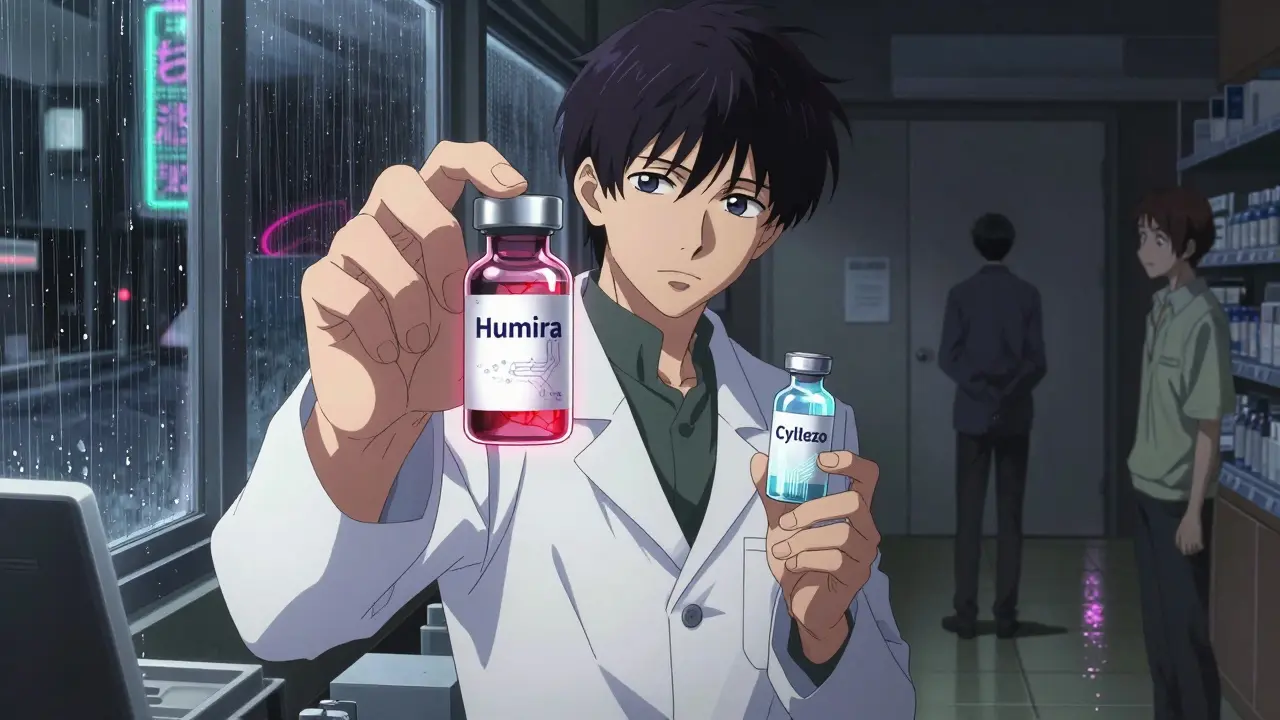
Interchangeability: When Biosimilars Can Be Substituted Automatically in the U.S.
Interchangeable biosimilars can be swapped automatically at pharmacies in the U.S.-but only if FDA-approved and allowed by state law. Learn how they differ from generics, which ones are approved, and why patient and pharmacist confusion still runs high.
Jan, 20 2026