
Drug Interactions: What You Need to Know About Medication Conflicts
When you take more than one medication, your body doesn’t always treat them like separate guests—it sees them as roommates who might fight over space, food, or attention. This is what we call a drug interaction, a reaction between two or more drugs that changes how one or both work in your body. Also known as medication interaction, it’s not just about pills clashing—it’s about your stomach, liver, kidneys, and even your gut bacteria getting caught in the middle. These interactions can make your medicine stop working, boost its side effects, or even cause serious harm like internal bleeding or a sudden spike in blood pressure.
Some of the most dangerous drug interactions, happen when common foods mix with prescription drugs. For example, linezolid—an antibiotic used for tough infections—can trigger a life-threatening surge in blood pressure if you eat aged cheese, red wine, or cured meats. That’s because linezolid blocks an enzyme that normally breaks down tyramine, a compound in those foods. The result? A hypertensive reaction, a sudden, dangerous rise in blood pressure that can lead to stroke or heart attack. It’s not theoretical—it’s happened to people who didn’t know their lunch could be deadly.
Then there’s the quiet killer: bleeding risk, when herbal supplements like feverfew mix with blood thinners like warfarin or apixaban. People think herbal means safe, but feverfew can thin your blood just like prescription drugs. Combine them, and you might bleed internally without warning. Same goes for drug absorption, how your body takes in medicine through the gut. If you take a GI drug with food, or have Crohn’s disease, or your pill is poorly formulated, your body might absorb only half of it—or none at all. That’s not a side effect. That’s your treatment failing before it even starts.
And it’s not just about what you take—it’s about timing, your genetics, your age, and even your liver’s workload. A generic version of cyclosporine might save you money, but if your body absorbs it differently than the brand name, your transplant could be at risk. A missed refill sync could mean your blood pressure meds pile up, then crash when you skip a dose. Even something as simple as taking ibuprofen while breastfeeding needs to be checked—what’s safe for you might not be safe for your baby.
You don’t need to memorize every possible combo. But you do need to know the red flags: sudden bruising, dizziness, unusual fatigue, rashes that pop up overnight, or a medication that suddenly feels like it’s not working. These aren’t just annoyances—they’re signals. The posts below cover real cases: how paroxetine causes weight gain, why bempedoic acid triggers gout, how vaccines fail when taken with immunosuppressants, and why counterfeit pills are more dangerous than you think. Each one shows how drug interactions aren’t abstract—they’re personal, preventable, and often hidden in plain sight.
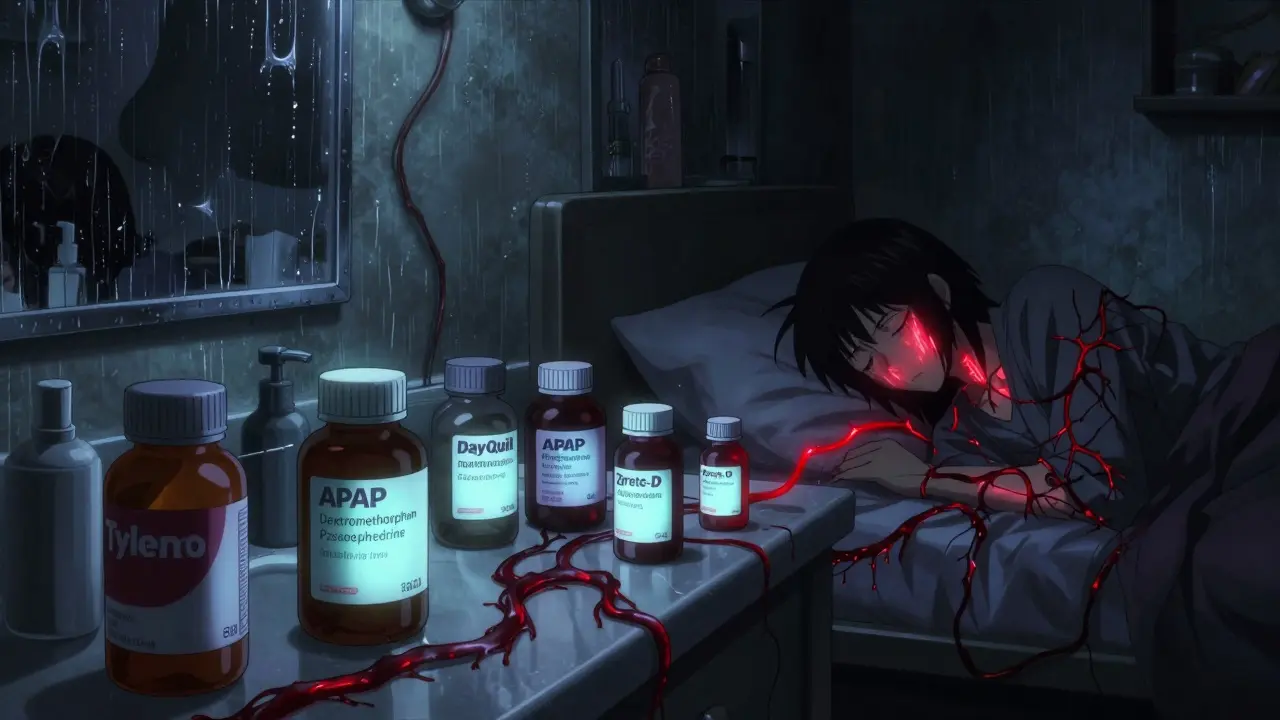
Allergy and Cold Medications: How to Avoid Dangerous Interactions
Feb, 26 2026
How to Read the Safety and Warnings Sections of Prescription Drug Labels
Dec, 5 2025