
CBD Interactions: What You Need to Know About Medication Risks
When you take CBD, a compound derived from the cannabis plant used for pain, anxiety, and sleep. Also known as cannabidiol, it doesn’t make you high—but it can mess with how your body handles other medicines. Unlike caffeine or vitamins, CBD doesn’t just sit there. It talks to your liver enzymes—the same ones that break down over 60% of prescription drugs. That’s why mixing CBD with blood thinners, antidepressants, or seizure meds isn’t just a ‘maybe be careful’ situation. It’s a real risk.
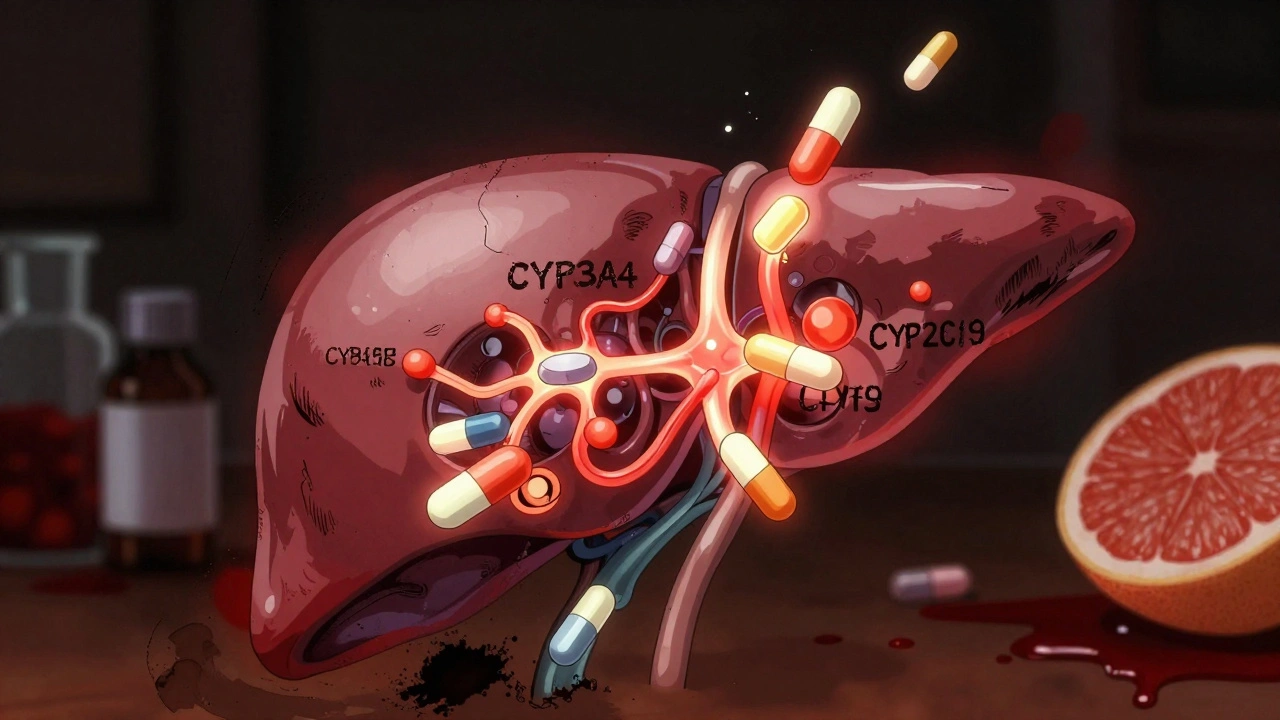
Think of your liver as a busy factory. Drugs like warfarin, a blood thinner that needs exact dosing to avoid bleeding or clots, or cyclosporine, a transplant drug with a tiny safe range, rely on those enzymes to stay at the right level in your blood. CBD shuts down part of that system. The result? Your meds build up. Too much warfarin? You could bleed internally. Too much cyclosporine? Your new organ could be rejected. Even common stuff like statins, cholesterol drugs that can cause muscle damage if levels get too high, becomes riskier. Studies show CBD can raise blood levels of some drugs by up to 300%. That’s not a typo.
You might think, ‘I’m just using a little CBD oil for sleep.’ But even low doses matter. The problem isn’t just strength—it’s consistency. If you take CBD daily, your liver gets used to the slowdown. Suddenly adding or stopping CBD? That’s when things go sideways. People end up in the ER because they didn’t realize their seizure med stopped working, or their blood pressure spiked after switching brands. And since CBD products aren’t tightly regulated, what’s on the label? Often not what’s inside. One study found nearly 70% of online CBD products had inaccurate potency. So even if you think you’re being careful, you might not even know how much you’re taking.
This isn’t about scaring you off CBD. It’s about giving you control. If you’re on any prescription, especially for heart conditions, mental health, epilepsy, or organ transplants, talk to your doctor before touching CBD. Bring your bottle. Ask: ‘Will this interfere with my meds?’ Don’t assume it’s safe because it’s ‘natural.’ The truth is, natural doesn’t mean harmless. The posts below break down real cases—like how CBD affects blood thinners, antidepressants, and even common painkillers. You’ll find clear advice on what to watch for, what to avoid, and how to protect yourself without giving up what helps you feel better.
CBD Products and Prescription Medications: What You Need to Know About Dangerous Interactions
Dec, 7 2025