
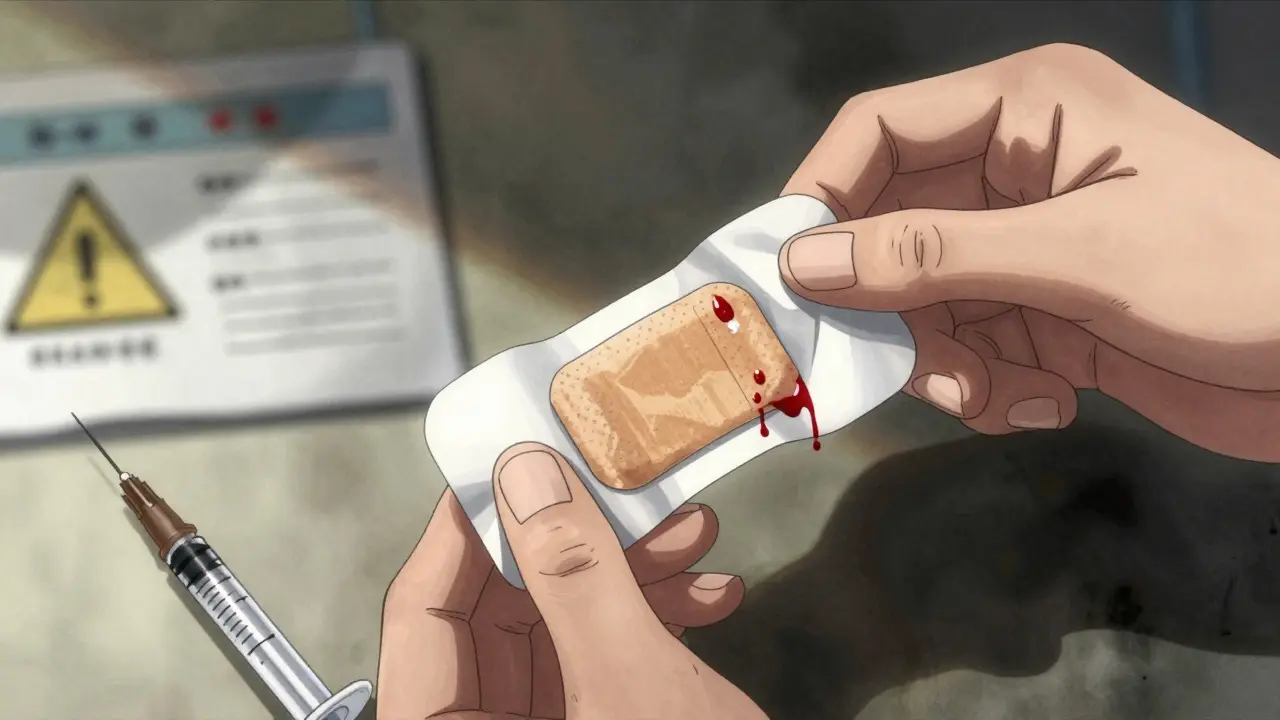
Every year, thousands of people die from overdoses tied to prescription medications - not street drugs, but pills and patches they were told were safe. The truth? Overdose prevention isn’t just about avoiding illegal drugs. It’s about understanding how your own medicine can turn dangerous if used the wrong way.
Why Patches, Liquids, and Extended-Release Pills Are Riskier Than You Think
Transdermal patches, liquid opioids, and extended-release tablets aren’t just different forms of pain relief. They’re timed bombs if misused. Unlike regular pills that release their dose all at once, these formulations are built to deliver drugs slowly - and that’s exactly what makes them deadly when tampered with.Fentanyl patches, for example, are designed to release medication over 72 hours. But if someone cuts one open, chews it, or sticks it under their armpit to speed up absorption, they can absorb a lethal dose in minutes. In 2022, the UK’s National Health Service reported over 150 cases of accidental overdose linked to fentanyl patch misuse - many from patients who didn’t understand how the patch worked.
Liquid medications like oral morphine or codeine syrup are equally risky. A teaspoon isn’t a tablespoon. A kitchen spoon isn’t a medical dosing syringe. One study from Bristol Royal Infirmary found that nearly 40% of caregivers using liquid opioids at home measured doses incorrectly - often by more than 50%. That’s not a mistake. That’s a potential overdose.
Extended-release pills like OxyContin or oxycodone ER are meant to be swallowed whole. Crush them, chew them, or dissolve them in water, and you’re injecting a full day’s dose into your system all at once. In 2021, Public Health England identified crushing extended-release opioids as the leading cause of accidental overdose among patients prescribed these drugs for chronic pain.
How to Use Patches Safely
- Never cut, tear, or puncture a patch. Even a small tear can cause rapid drug release.
- Apply patches only to clean, dry, non-irritated skin - never over burns, rashes, or areas exposed to heat (like heating pads or hot tubs).
- Don’t share patches. What’s safe for one person can kill another.
- Store patches out of reach of children and pets. A single used patch still contains enough fentanyl to be fatal.
- Dispose of used patches by folding them in half with the sticky sides together and flushing them down the toilet (or returning them to a pharmacy for safe disposal).
How to Use Liquid Medications Safely
- Always use the dosing syringe or cup that came with the medicine - never a kitchen spoon.
- Double-check the concentration. Some liquid opioids come as 10mg/5mL, others as 20mg/5mL. Mixing them up can be deadly.
- Keep liquids locked away. Children and pets can mistake them for juice or candy.
- If you’re giving this to someone else - like an elderly parent - write down the dose, time, and amount on a calendar. Don’t rely on memory.
- Never mix liquid opioids with alcohol, benzodiazepines, or sleep aids. The combination slows breathing to a stop.

How to Use Extended-Release Pills Safely
- Swallow the pill whole. Never crush, chew, or dissolve it.
- Take it exactly as prescribed. Skipping doses and then doubling up later is a common path to overdose.
- Don’t take it on an empty stomach if your doctor didn’t say to. Some extended-release pills absorb differently with food.
- Keep track of how many pills you have. Missing pills could mean someone else is taking them - or you’re taking more than you think.
- If you feel the medication isn’t working, talk to your doctor. Don’t try to make it stronger yourself.
Naloxone Is Your Lifeline - But Only If You Know How to Use It
Naloxone doesn’t prevent overdose. It reverses it. And it works on all opioid forms - patches, liquids, and extended-release pills. But here’s the catch: if you’re on an extended-release opioid, one dose of naloxone might wear off before the drug does.That’s called renarcotization. The person wakes up, feels fine, and thinks they’re out of danger. But hours later, the opioid in their system starts working again - and they slip back into overdose.
That’s why:
- Always call 999 after giving naloxone - even if they seem fine.
- Keep a second naloxone kit nearby. You may need to give a second dose.
- Stay with the person for at least 2 hours after the first dose.
- Train everyone who lives with you or spends time with you on how to use naloxone. Practice with a training kit.
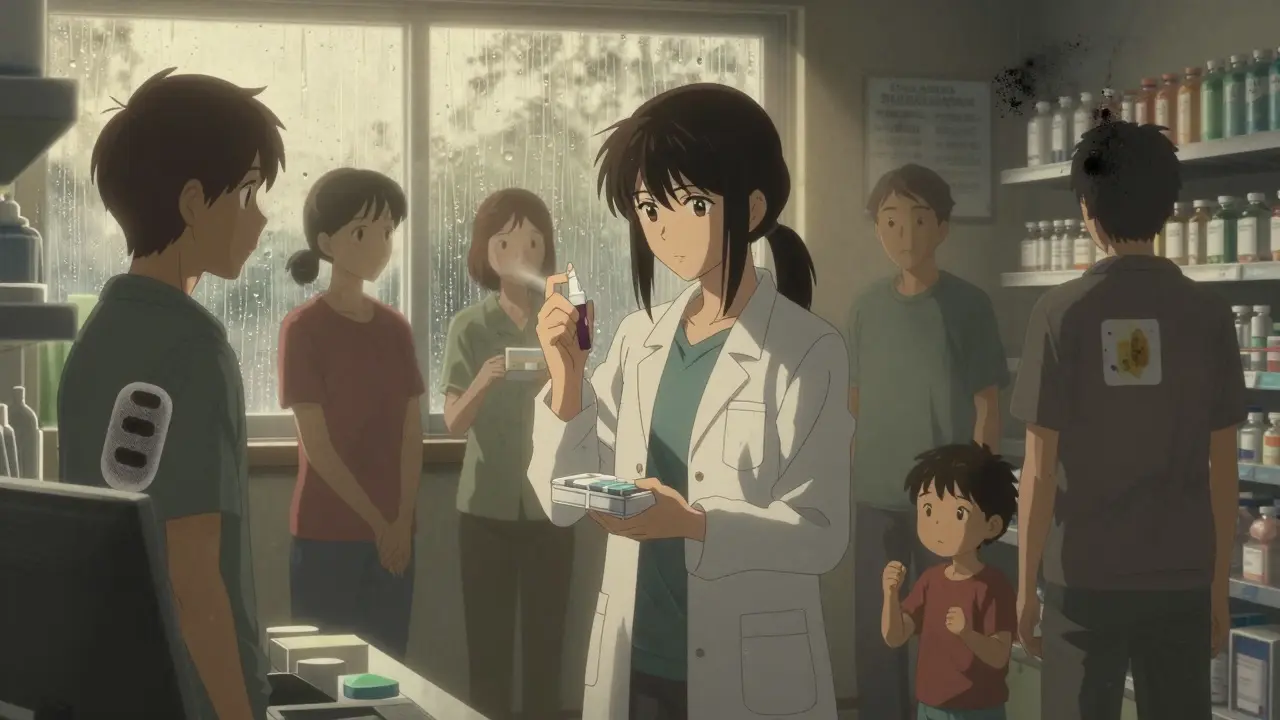
Naloxone is free in the UK through pharmacies and community harm reduction programs. You don’t need a prescription. Walk into any pharmacy and ask for it. If they say no, ask for another one.
What to Do If You’re Worried About Someone
If you’re caring for someone on these medications - especially an older adult or someone with a history of substance use - here’s what actually helps:- Lock up all medications in a pill box with a lock, or a locked cabinet.
- Use a medication dispenser that releases one dose at a time.
- Check in daily. Don’t assume they’re taking it right.
- Ask them: “Do you know what happens if you chew this pill?” “Do you know how long this patch lasts?” If they can’t answer, they need education - not judgment.
- Know the signs of overdose: slow or stopped breathing, blue lips, unresponsiveness. Don’t wait for them to collapse.
Stop the Shame. Start the Safety
Too many people avoid asking for help because they’re afraid of being called an addict or a failure. But overdose doesn’t care about your past. It only cares about how much drug is in your system - and whether someone’s there to help.There’s no shame in needing pain relief. There’s no shame in using naloxone. There’s only shame in letting someone die because no one knew how to stop it.
Here’s the real truth: if you’re on a patch, liquid, or extended-release opioid, you’re not just a patient. You’re part of a system that needs you to be informed. Your life depends on it.
What to Do If You’ve Already Made a Mistake
Maybe you cut a patch. Maybe you used a kitchen spoon. Maybe you crushed a pill because the pain was too much. You’re not alone. And you’re not beyond help.- Stop using the medication immediately.
- Call your doctor or pharmacist. Tell them exactly what happened. They’ve heard it before.
- Ask for a safer alternative. There are other pain options - non-opioid, non-addictive, and just as effective for many people.
- Ask for naloxone. Even if you don’t think you’ll need it.
Recovery isn’t about perfection. It’s about staying alive long enough to get the right help.
Can I use a fentanyl patch if I’ve never taken opioids before?
No. Fentanyl patches are only for people already tolerant to opioids - meaning they’ve been taking daily opioid painkillers for at least a week. Starting a patch without tolerance can cause a fatal overdose, even with a low dose. Always follow your doctor’s instructions exactly.
Is naloxone safe to use if I’m not sure it’s an opioid overdose?
Yes. Naloxone only works on opioids. If there are no opioids in the system, it does nothing. It won’t harm someone who’s overdosed on alcohol, benzodiazepines, or other drugs. If someone is unresponsive and breathing slowly, give naloxone. It could save their life.
How long does naloxone last compared to extended-release opioids?
Naloxone lasts 30 to 90 minutes. Extended-release opioids can stay active for 12 to 24 hours. That means the person can go back into overdose after naloxone wears off. Always call 999 and stay with them for at least two hours - even if they seem fine.
Can I get naloxone without a prescription in the UK?
Yes. Naloxone is available free over the counter at most pharmacies in the UK. You don’t need a prescription. Ask for it by name. If the pharmacist refuses, ask to speak to the manager or visit a local harm reduction service.
What should I do with unused patches or leftover liquid opioids?
Never throw them in the trash or flush them down the toilet unless instructed. Return them to your pharmacy for safe disposal. Many pharmacies have take-back boxes. If your pharmacy doesn’t, contact your local NHS trust or public health office - they’ll direct you to a drop-off point.
Next Steps: What You Can Do Today
- Check your medicine cabinet. Are there old patches, liquids, or extended-release pills lying around? Dispose of them safely today.
- Ask your pharmacist for a free naloxone kit. Keep one at home and one in your bag.
- Teach one person how to use it - a partner, friend, or family member.
- If you’re on one of these medications, write down the risks and keep them on your fridge.
- Call your doctor and ask: “Is there a safer way to manage my pain?”
Preventing overdose isn’t about being perfect. It’s about being prepared. One simple step - knowing how to use naloxone, or not crushing a pill - can be the difference between life and death.
Phil Hillson
January 19, 2026 AT 21:00Josh Kenna
January 20, 2026 AT 00:18Valerie DeLoach
January 20, 2026 AT 01:53Christi Steinbeck
January 20, 2026 AT 23:24Jacob Hill
January 21, 2026 AT 01:34sujit paul
January 23, 2026 AT 00:47Lewis Yeaple
January 24, 2026 AT 18:48Jackson Doughart
January 25, 2026 AT 15:45Malikah Rajap
January 26, 2026 AT 08:03Tracy Howard
January 28, 2026 AT 06:44Aman Kumar
January 30, 2026 AT 05:03