
The Shortcut That Isn't a Shortcut: The ANDA Process
To get a generic drug on the market, a company doesn't have to start from scratch. They use an Abbreviated New Drug Application (ANDA). The "abbreviated" part is key: because the FDA already proved the original brand-name drug was safe and effective, the generic maker only needs to prove bioequivalence. What does that actually mean? It means the generic drug must deliver the active ingredient into the bloodstream at the same rate and to the same extent as the brand-name drug. Specifically, they must fall within a 90-110% bioequivalence range. If the brand-name drug hits the system in 30 minutes, the generic can't take two hours or hit all at once; it has to mirror the original's performance almost exactly. This isn't a quick check-box exercise. The review process involves several phases, from verifying the labeling to assessing the chemical impurities. While the law says the FDA should decide in 180 days, the scientific reality is more complex. Historically, these reviews took up to 30 months. Thanks to the Generic Drug User Fee Amendments (GDUFA), the FDA now has more resources to speed this up, bringing the average review time for standard applications down to about 10 months.Strict Rules for the Factory Floor
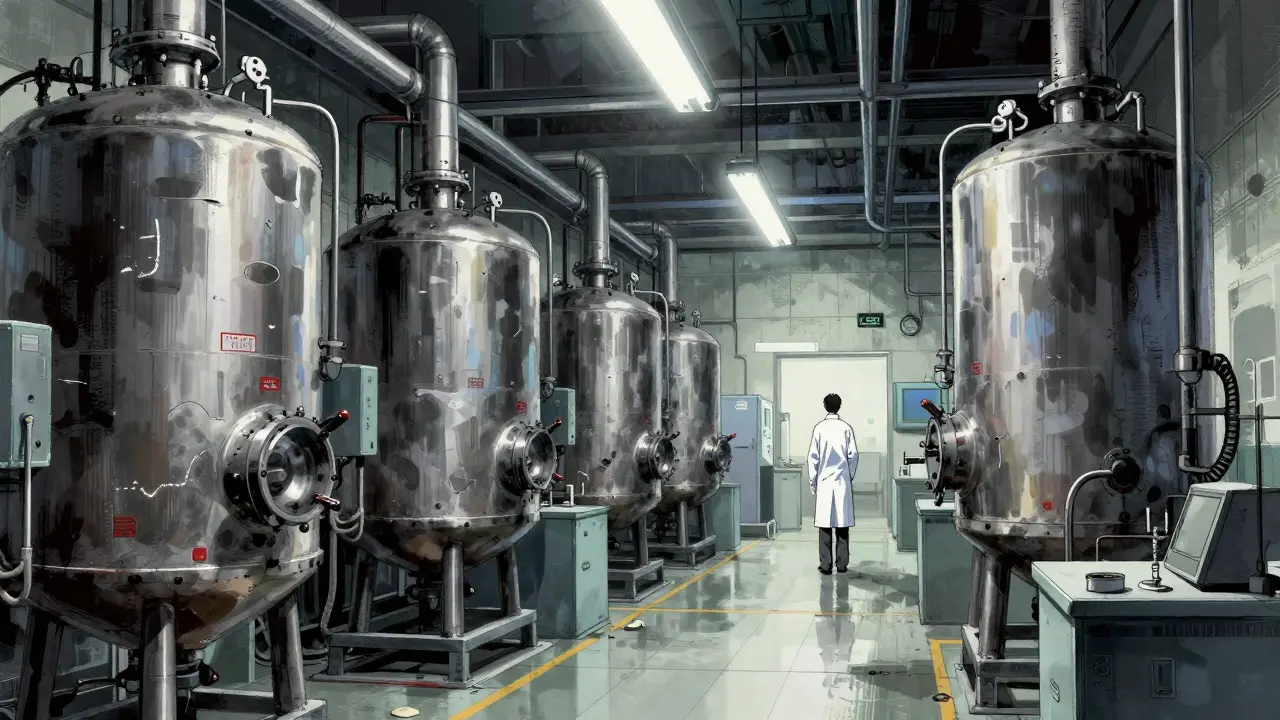
Having a good formula on paper is one thing; making millions of identical pills in a factory is another. This is where Current Good Manufacturing Practices (cGMP) come in. The FDA doesn't just trust a company's word-they mandate three specific quality pillars:- Material Control: From the moment raw chemicals arrive at the warehouse, they must be traced and stored to prevent any contamination. You can't have a batch of heart medication accidentally mixed with a cleaning agent.
- Process Controls: Every single step of production must be written down. There are no "winging it" moments in a pharmaceutical plant. Critical parameters like temperature and mixing speed are monitored constantly.
- Lab Testing: Every batch is tested. The FDA requires validated methods to check raw materials, the product while it's being made (in-process), and the final product before it ships.
| Feature | Brand-Name Drug (NDA) | Generic Drug (ANDA) |
|---|---|---|
| Clinical Trials | Full scale (Safety & Efficacy) | Bioequivalence only |
| Avg. Development Cost | ~$2.6 Billion | $1 Million - $5 Million |
| Time to Market | 10 - 15 Years | 3 - 7 Years |
| FDA Standard | Established new safety/efficacy | Must be identical to RLD |
Policing the Global Supply Chain
Many of the ingredients in our medicine come from overseas, which adds a layer of risk. The FDA has noticed a gap here: in 2019, about 15% of foreign facilities had quality issues compared to only 8% of domestic ones. To fix this, the FDA has shifted to a "risk-based" inspection system. Instead of randomly picking factories, they prioritize the ones with a history of problems or those making high-risk medications. Under the GDUFA III agreement, the FDA is pumping billions of dollars into enhancing these foreign inspections. The goal is to move toward biennial inspections (every two years) for both US and foreign sites. This ensures that a factory in India or China is held to the exact same standard as one in New Jersey. Furthermore, the Drug Supply Chain Security Act (DSCSA) has introduced electronic tracking. This creates a digital paper trail for prescription drugs, making it much harder for counterfeit or substandard medicines to sneak into the legal supply chain.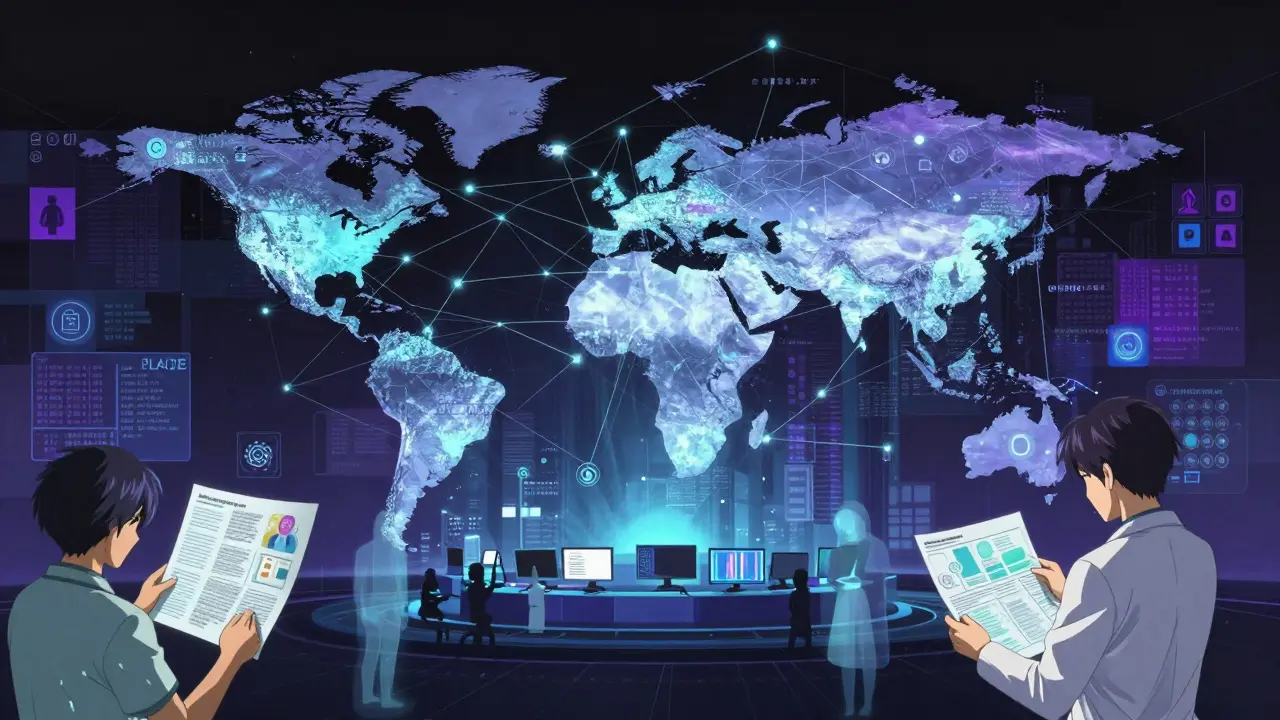
What Happens After Approval?
Approval isn't the end of the story. The FDA keeps a watchful eye on drugs long after they leave the warehouse. This post-market surveillance is a massive operation involving the Division of Clinical Safety and Surveillance. They rely heavily on MedWatch, a system where doctors and patients report adverse reactions. With over 1.3 million reports processed annually, the FDA uses data analysis to spot "safety signals." If a specific generic drug starts causing an unexpected side effect, the FDA doesn't just wait for a letter-they proactively dig into the marketing data to see if there's a pattern. If a problem is found, the FDA has several tools to protect the public:- Voluntary Recalls: Asking the company to pull the drug from shelves.
- Label Updates: Adding new warnings to the medication guide.
- Dear Healthcare Provider Letters: Sending urgent alerts directly to doctors to stop prescribing a specific batch.
Handling Complex Generics
Not all generics are as simple as a pill. Things like inhalers, injectable creams, and complex patches are much harder to copy. To handle this, the FDA started the Complex Generic Drug Products Initiative. For these products, a simple blood test for bioequivalence isn't always enough. The FDA is developing more sophisticated scientific approaches to ensure that the delivery mechanism-like the spray in an asthma inhaler-works exactly like the brand name. They've expanded their guidance to cover over 2,800 different drug products, giving manufacturers a clear roadmap to follow so that safety isn't compromised for the sake of complexity.Is a generic drug really as safe as a brand-name drug?
Yes. The FDA requires generic drugs to have the same active ingredient, strength, dosage form, and route of administration as the brand-name drug. They must also be bioequivalent, meaning they work in the body in the same way and with the same effectiveness.
Why are generics so much cheaper if the standards are the same?
Generic makers don't have to pay for the initial research, development, and massive clinical trials that the original creator did. Since they only need to prove bioequivalence via an ANDA, their startup costs are millions of dollars rather than billions.
What happens if the FDA finds a problem at a factory?
The FDA can issue warning letters, reject a drug's application (via a Complete Response Letter), or initiate a product recall. In severe cases of cGMP violations, they can shut down production or block all imports from that specific facility.
How does the FDA monitor drugs after they are sold?
They use the MedWatch system for reporting adverse events and the Division of Clinical Safety and Surveillance to analyze these reports for safety signals, ensuring that any newly identified risks are addressed quickly.
Do all generic drugs go through the same process?
While most follow the standard ANDA process, "complex generics" (like inhalers) may require additional specialized testing and guidance because they are more difficult to manufacture and copy accurately.